Where play is the path to healing, understanding and becoming.
Clinic located in Nambour, Sunshine Coast.
FINALLY:
Therapy that speaks your child’s language.
If you have little ones in your life, you know: kids aren’t mini-adults. Their brains are still developing - they live in their hearts, not their heads. Which means sitting still and talking about their feelings, like adults do, isn’t always possible (or very effective).
You’re looking for a mental health intervention that is strengths-based and makes sense for your child’s brain and stage of development. Something that meets them in their world, and honours their innate ability to heal and grow using their natural language: PLAY. Because you understand, intuitively and intellectually, that play is a child’s first language. It’s how they express themselves and make sense of their inner and outer worlds.
And? You want a Play Therapist who’s not only highly qualified, but who holds space with deep empathy and zero judgement, for your child AND for you.
Someone who helps your child feel safe, free, confident and completely accepted.
Just 👏 as 👏 they 👏 are.
When kids can’t say it, they play it.
Play Therapy is a sensitive, evidence-based form of psychotherapy designed for children aged 3–10 who can’t (or don't wish to) express their feelings through words.
Instead of talking through problems like adults, we know that children naturally use toys, stories and play to show what they’re feeling and what they believe about themselves and relationships. For example, a child who feels anxious might repeatedly hide characters in a house, or a child processing a separation may play out various family interactions with dolls.
The therapist is trained to see the meaning beneath the child’s play as a direct pathway into their emotional world.
Through attuned responses, kind and firm limits, and helping your child stay regulated, the therapist becomes a steady, calming presence in the playroom, helping your child gain insight into their thoughts and feelings, grow in self-belief, and practise new ways of coping.
This is why Play Therapy works so deeply - children don’t have to sit still and explain their worries. They simply play, and through that natural process they release tension, try out new ways of being, rehearse solutions to their problems, widen their window of tolerance, and begin to feel more confident and secure.
Who is
Play Therapy for?
In Play Therapy, children can process difficult life experiences and work through a range of social, emotional and behavioural challenges.
Self-Esteem and Confidence
For children who experience self-doubt, negative self-talk, or low confidence, Play Therapy offers a space where they can feel seen, accepted, and valued just as they are.
Within the safety of the therapeutic relationship, children experience themselves as capable, worthy, and resilient, building a stronger, more positive sense of self from the inside out.
Aggression or Explosive Behaviour
Outbursts, defiance, and big emotional reactions are often a child’s way of saying “I don’t know how to cope with what I’m feeling.”
In Play Therapy, children are supported to safely express the intense feelings driving their behaviour, such as frustration, fear, or powerlessness. Over time, they build emotional awareness and learn more adaptive ways to manage strong emotions.
Anxiety, Phobias or Depression
Big worries, fears, phobias, and persistent sadness can be hard for children to put into words.
In Play Therapy, children have the freedom to explore the root cause of their anxiety, at their own pace and in their own way. Over time, they develop a stronger sense of inner security, emotional regulation, and self-trust.
Illness or Medical Experiences
Medical procedures and hospital visits can leave children feeling scared, confused, or out of control. In Play Therapy, children can revisit these experiences through medical play - making sense of what happened at their own pace, and restoring a sense of control.
This process can help reduce medical-related anxiety and empower children to feel safer in their bodies and in healthcare settings.
Significant Life Changes
Big changes such as starting a new school, moving house, welcoming a new sibling, or experiencing family separation can be challenging for children.
Play Therapy gives them a safe and supportive space to process these transitions. Through symbolic play, children explore their worries, make sense of what’s happening, and regain a sense of stability and control.
Grief, Loss or Trauma
Whether a child is grieving the loss of a loved one, pet, or a significant relationship or experience, Play Therapy offers a safe space to express the many feelings that grief can bring.
As a trauma-informed approach, Play Therapy also supports children who’ve experienced distressing or frightening events in their life. Play provides a safe psychological distance from the experience, as the child can act out scenarios, change the endings to regain a sense of control, and express feelings through the toys, such as a toy feeling scared, helpless or lost. This can enable them to process and integrate their reactions to what happened, without becoming overwhelmed.
School or Social Difficulties
When children are struggling with friendships, peer dynamics, or classroom expectations, Play Therapy can help build emotional and social confidence.
Through the therapeutic relationship and their play, children develop skills such as turn-taking, perspective-taking, communication, and problem-solving… all of which support their interactions with others, so they can feel more secure in group settings.
Neurodivergence and Disability Support Needs
Play Therapy meets each child exactly where they are, with respect for their unique sensory, social, cognitive, and emotional way of being in the world. It’s especially supportive for children who are neurodivergent or living with a disability, including Autism, ADHD, intellectual disability, OCD, sensory processing differences, situational mutism, cerebral palsy, Tourette syndrome, and those who are twice-exceptional.
Because play is a natural and universal language for children, Play Therapy offers a safe and accessible model that honours every child’s strengths and unique way of being.
Where to from here?
#1 REFER
The first step is to click here to refer your child and book a free Discovery Call with me. I will review this before our call to assess how I may be able to help.
#2 CONNECT
We'll have a free 15-min Discovery Call to discuss your family's needs and get a sense of whether we may be the right therapeutic fit.
#3 PLAY!
Play Therapy sessions generally occur weekly for 45 minutes. Parent meetings are held every 6 sessions to discuss your child's progress.
FUNDING OPTIONS
Growing Us Play Therapy accepts NDIS self- and plan-managed individuals, partnering with children and families to support their individual NDIS goals. As a highly trained practitioner with a Masters-level qualification and professional registrations in the relevant field of Play Therapy, Ginny’s services at Growing Us can be accessed under the following NDIS supports:
Early Intervention Supports (younger than 9)
Capacity Building - Improved Daily Living
15_005_0118_1_3: Early Childhood Supports – Early Childhood Professional
Capacity Building Supports (older than 9)
Capacity Building - Improved Daily Living 15_056_0128_1_3: Assessment Recommendation Therapy or Training - Other Professional
Unfortunately at this stage, Play Therapy cannot be claimed through a Medicare, Private Health insurance, or a Mental Health Care Plan.
CANCELLATION POLICY
Sessions cancelled with less than 24 hours’ notice are charged at the full session fee (unless rescheduled in the same week), as each child has a recurring appointment time held exclusively for them and unable to be offered to another family. One discretionary waiver per child per calendar year is available for illness or unexpected circumstances.
How do we know it works?
Research conducted into the effectiveness of Play Therapy shows just how powerful this approach is for bringing about change.
Meta-analyses of over 200 Play Therapy studies showed significant reductions in common childhood mental health issues including impulsivity, anxiety, depression, social issues and academic issues.
Research has also found that the overall treatment effect of Play Therapy ranges from moderate to highly positive. A medium to large effect size indicates that Play Therapy has a clinically relevant effect.
Clinic Location
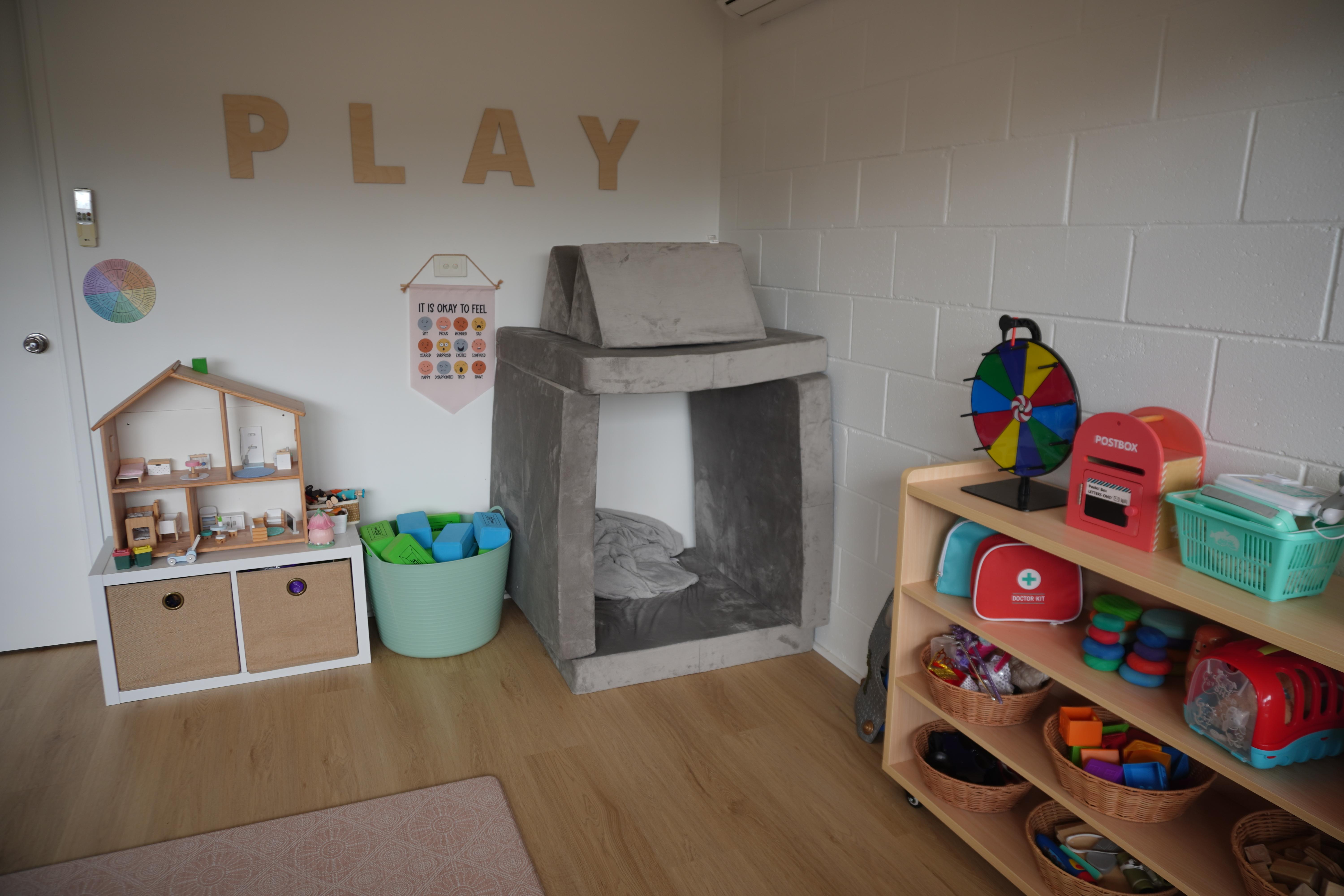
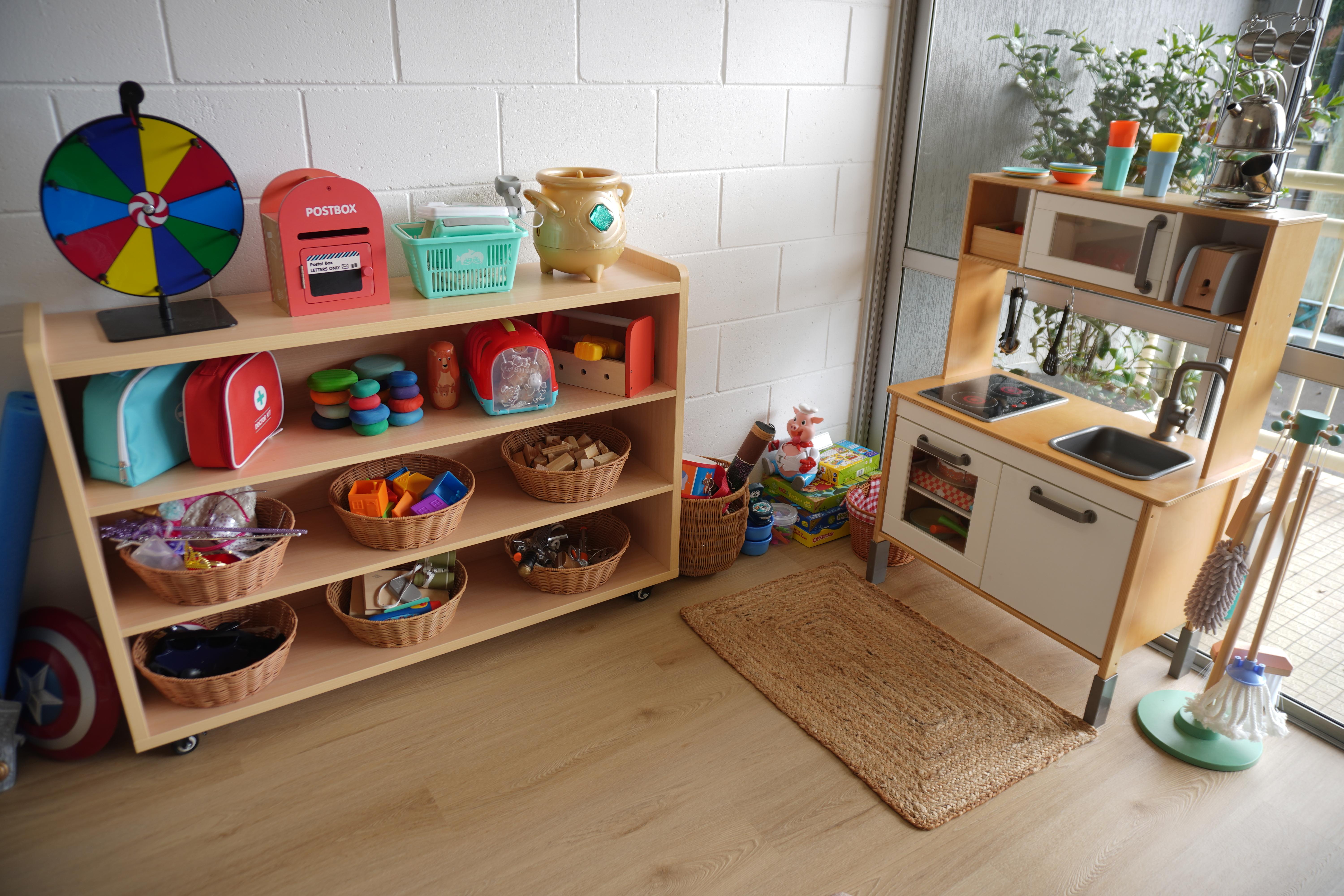
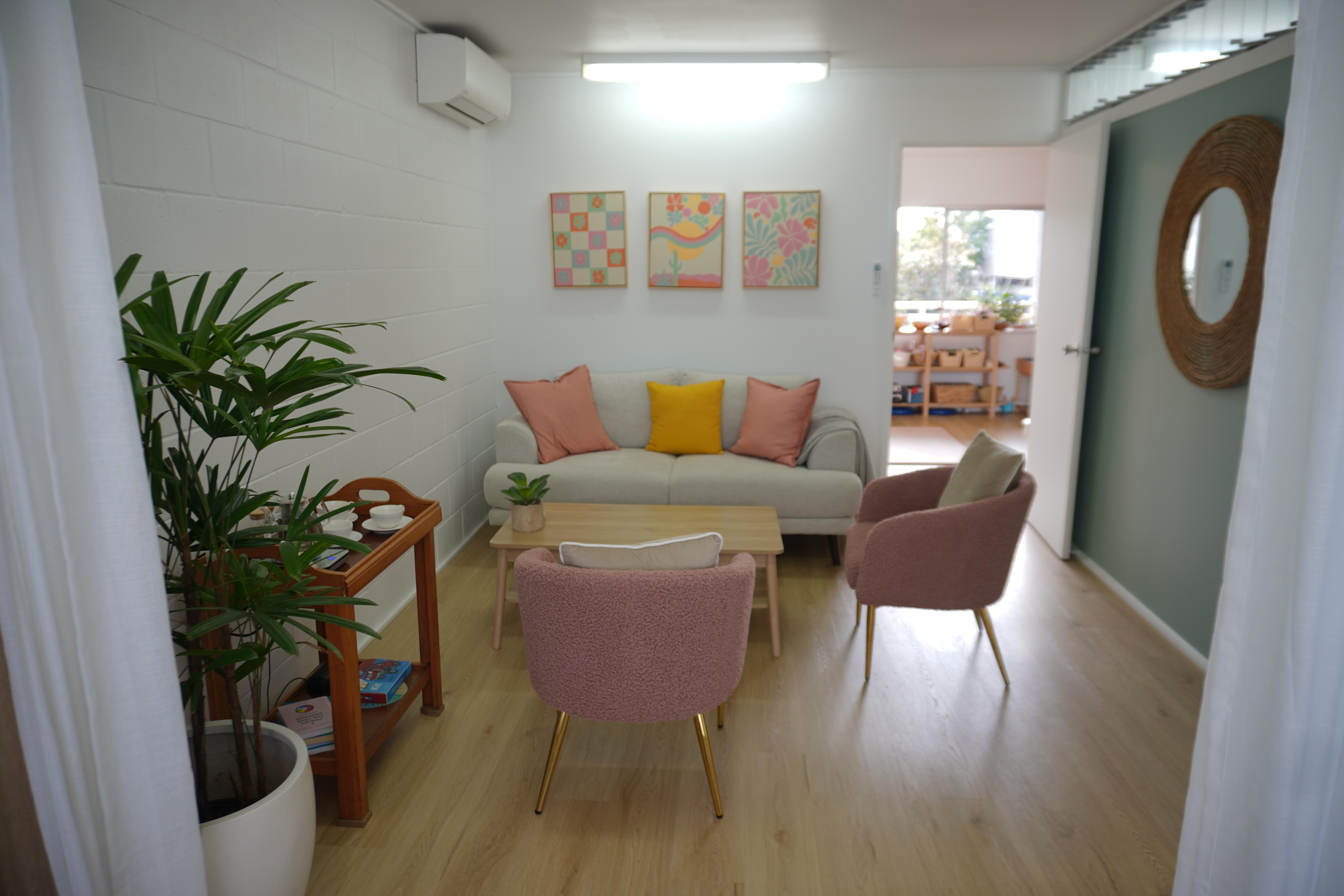
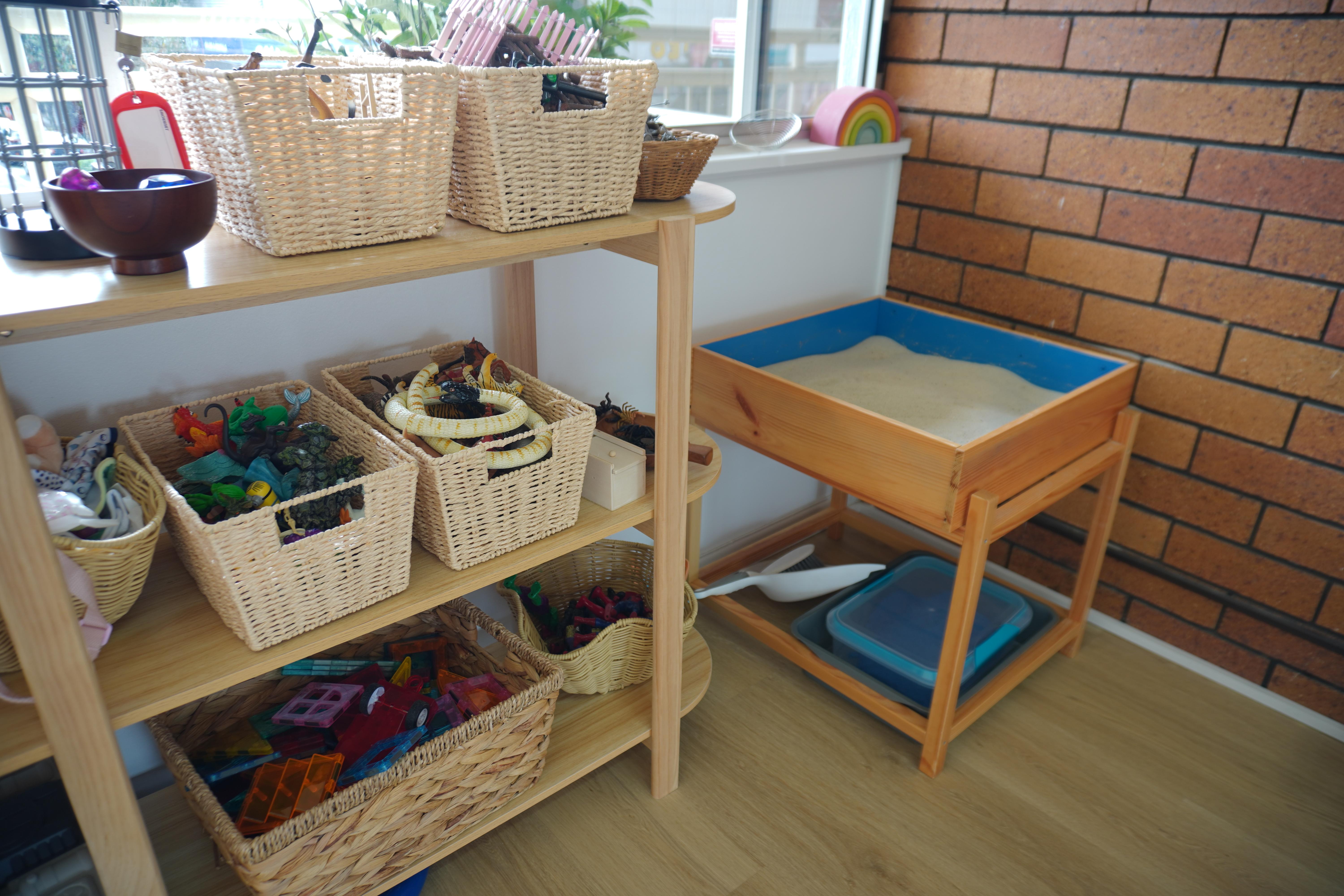
Located in Nambour on the Sunshine Coast, the Growing Us clinic is warm, light-filled, and thoughtfully set up to help children feel safe, seen and soothed - and for grown-ups to have a moment to breathe. From the playroom to the waiting nook, every detail is there to support connection, regulation, and a sense of ease.
📍 1/14-22 Howard St, Nambour
Clinic Rental
If you're a practitioner looking for a welcoming, child-friendly space to work from, you’re in the right place! The Growing Us clinic is waiting for you.

© Growing Us. All Rights Reserved.


